
MISE EN LUMIÈRE
Juliette Seguin & Bastien Glacial
Photographs by students to be discovered at the ENSP throughout the year.
In partnership with the Dupon Laboratory
Juliette Seguin
Series Ervithing in the right place
Images from an eponymous publication. It is a journey in search of proof of existence.
Bastien Glacial
Series 1450 verticaux
A 1,450-meter elevation gain on the route connecting the Lys panorama to the village. From the erratic flight of birds to the stoic calm of a solitary horse, to the peaks towering above the sea of clouds. A window onto a suspended world, a wandering journey.
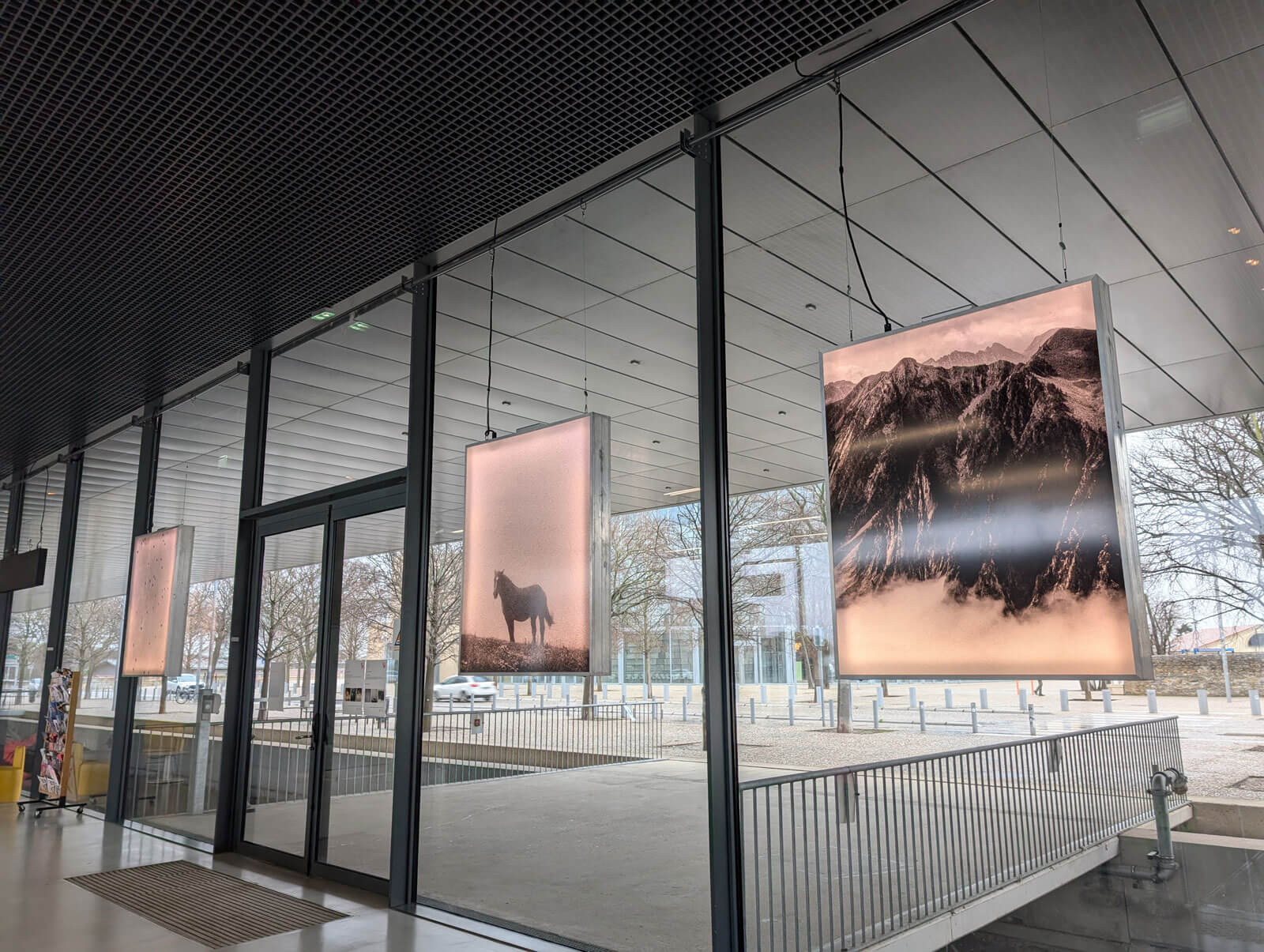
December 2025 to February 2026
Guillaume Fustec
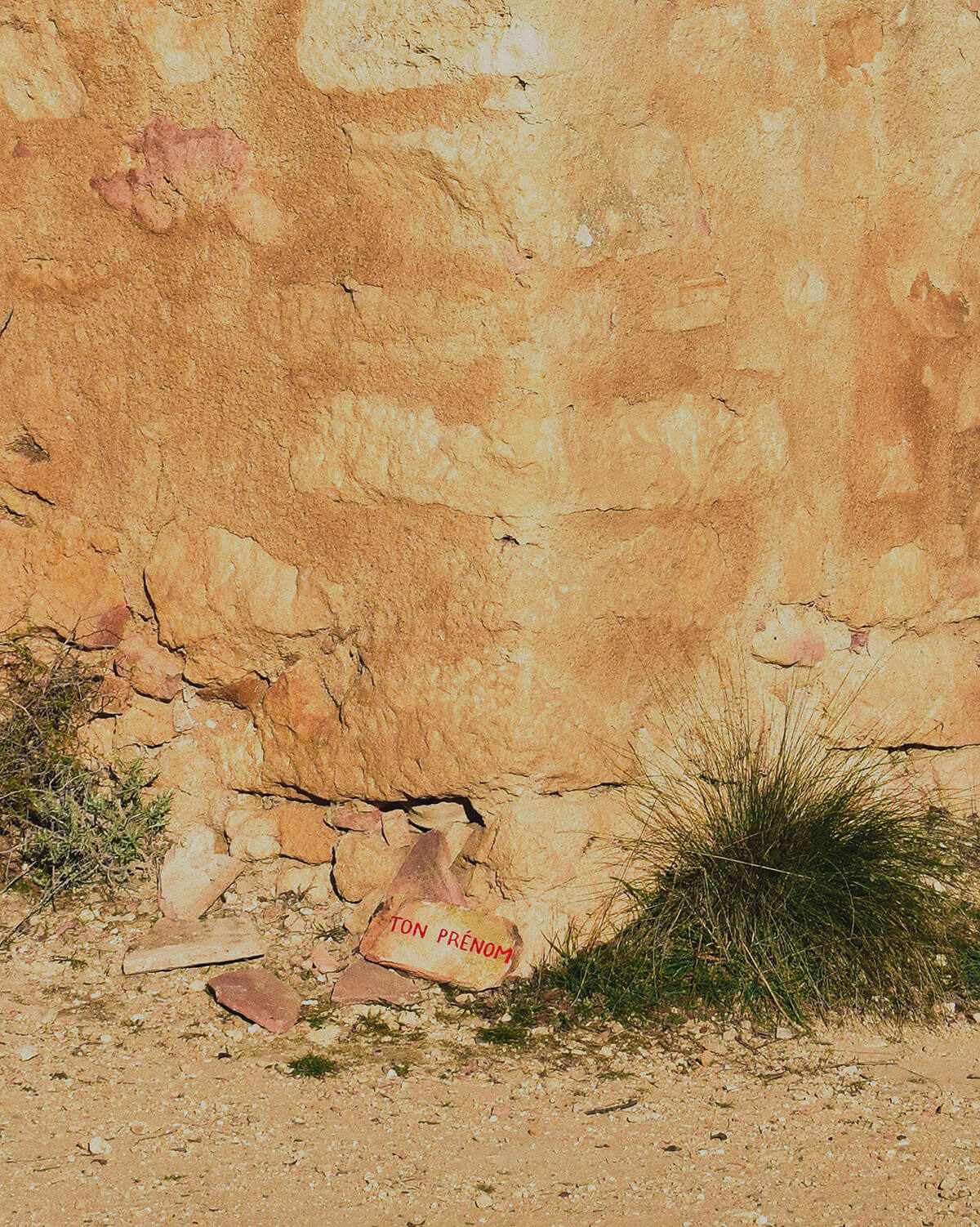
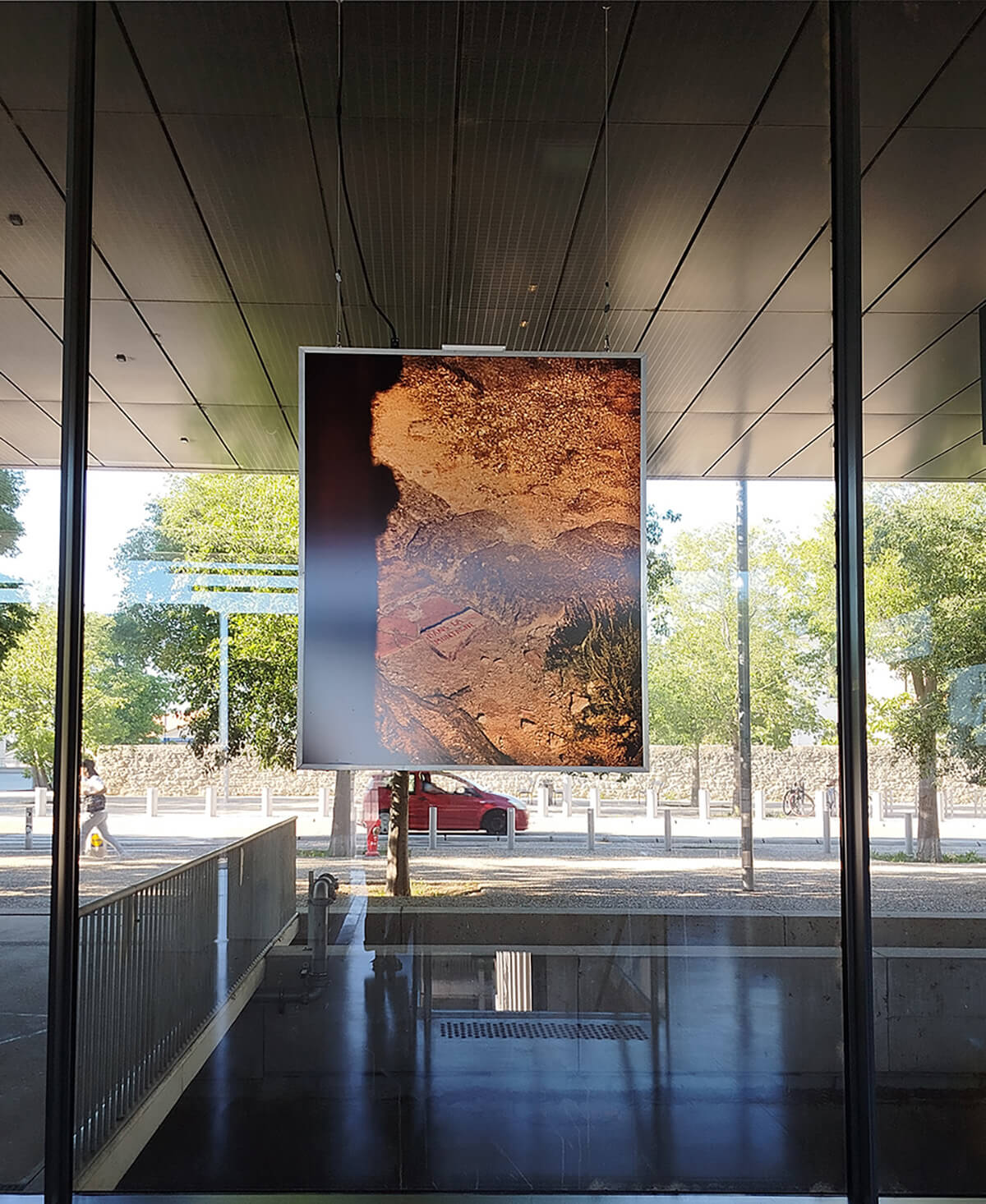
Series Objets transitionnels
1. Objet transitionnel n° 5 — Camargue
2. Objet transitionnel n° 82 — Gori
3. Objet transitionnel n° 47 — Camino del Rey
The Transitional Objects series uses photography as a means of distancing itself from reality. By isolating fragments of matter, oxidized surfaces, damaged fabrics, decomposing objects, and altered textures, the subject depicted becomes a representation; reality and its transformations, by being replayed, become a more bearable intermediate space.
These images are covered, projected, destroyed, glued, and recomposed. Each image is thus the result of a series of manipulations that blur their status. Designed to saturate space, the series is constructed through accumulation, variation, and repetition.
Adrien Limousin
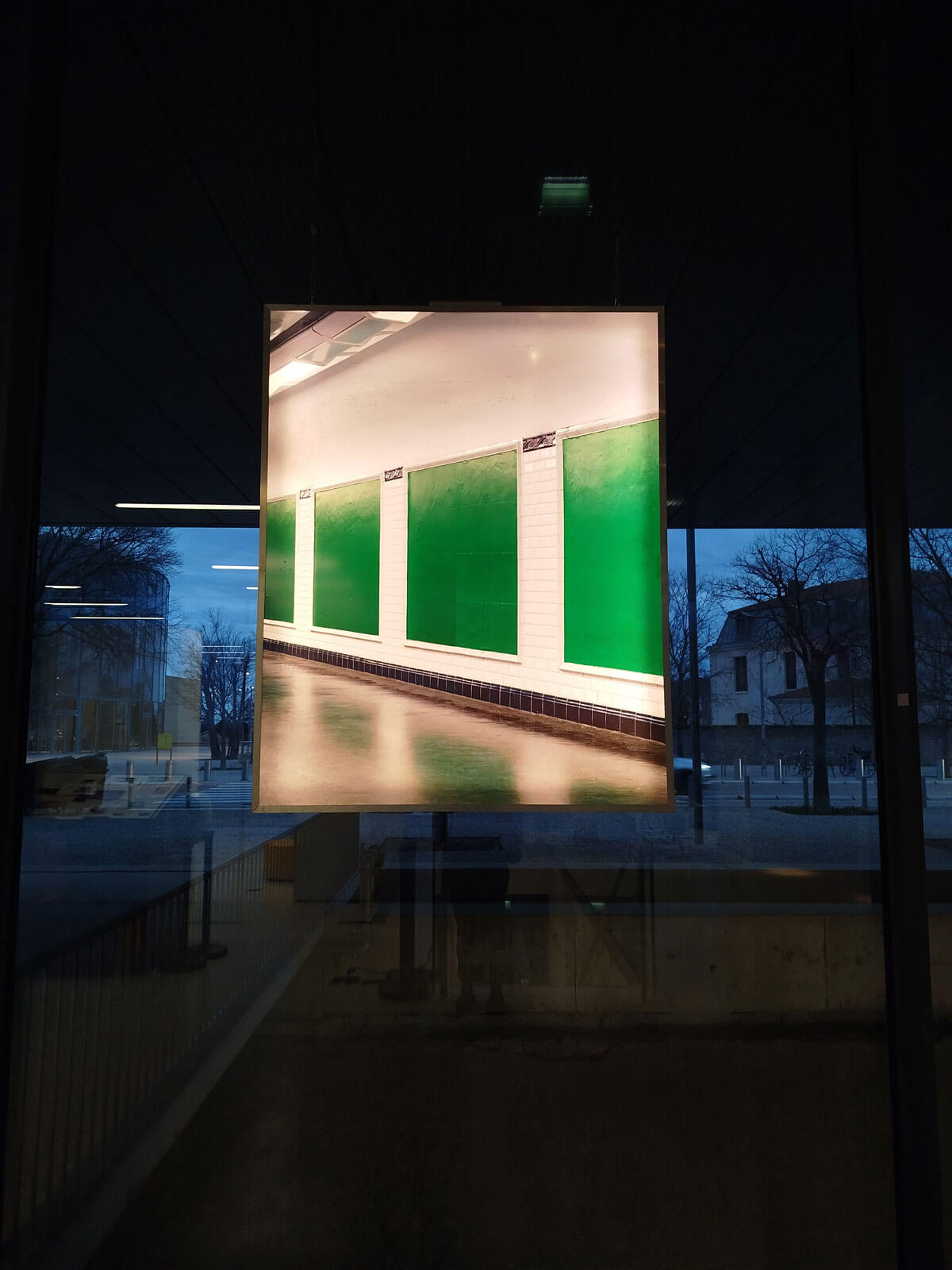
Series Lorem Ipsum
In our image-driven economy, there are spaces designed and defined to accommodate these images.
By capturing these images without visuals, these non-images, their nature becomes more
obvious to us, as does their ritualization and sacralization. These containers without content are
like a response to visual inflation and our blind belief system in images.
Like Lorem Ipsum—the title of this ongoing project—this text without language, this non-text, refers to this notion of receptacles and the space left free as a space for projection.

Installation photograph by
October 2025 to December 2025
AUDREY BORJA
Series Jan d’Arle
In ancient times, in the Camargue region, the wind was personified; it was called Jan d’Arle.
In my Jan d’Arle project, I explore the theme of wind in the Camargue, more specifically in the Rhône delta. Struck by the omnipresence of wind in this region, I sought to represent it through photography.
So I created a character who embodies the wind, dressed in a costume that represents it, thus making the wind visible through a medium that did not allow it before. This character evolves in the Camargue landscape, which I capture through photographic sequences that break down its movement. My approach blends reality and fiction, creating a kind of archive of the wind and exploring the notion of artifact. I also delved into local archives related to the wind and interviewed a local resident I know well, Jean. Jan d’Arle is a multidimensional exploration of the wind, combining photography, installation, performance, and reflection on the landscape and local culture.
LOÏSÀ GATTO
Series La reproduction des grenouilles
Johanna has never climbed a tree before; she can’t reach the first branch, which is too high. Rada pushes her and lifts her up. She manages to grab hold, but doesn’t have the strength to pull herself up to the next branch. She slides down the trunk, scraping her hands and pants. Rada shouts at her, lifting her up again. We stand there watching her. Her feet and knees bounce off the bark, which is peeling off in small pieces. Then she passes the first branch and disappears into the needles of the sequoia. I can only see the soles of her shoes as I crane my neck.
Rada, Vyara, Johanna, and Eva are in a garden, peering into a small pond. They stand in the shadows, in complete control of their time—their days, their nights—and navigate a dreamlike space.
In this exchange of glances, the viewer is invited to adopt the internal vision of the protagonists, and thereby to place themselves in a position of observation.
Installation photograph by Loïsà Gatto
Bastien Glacial
Bastien Glacial
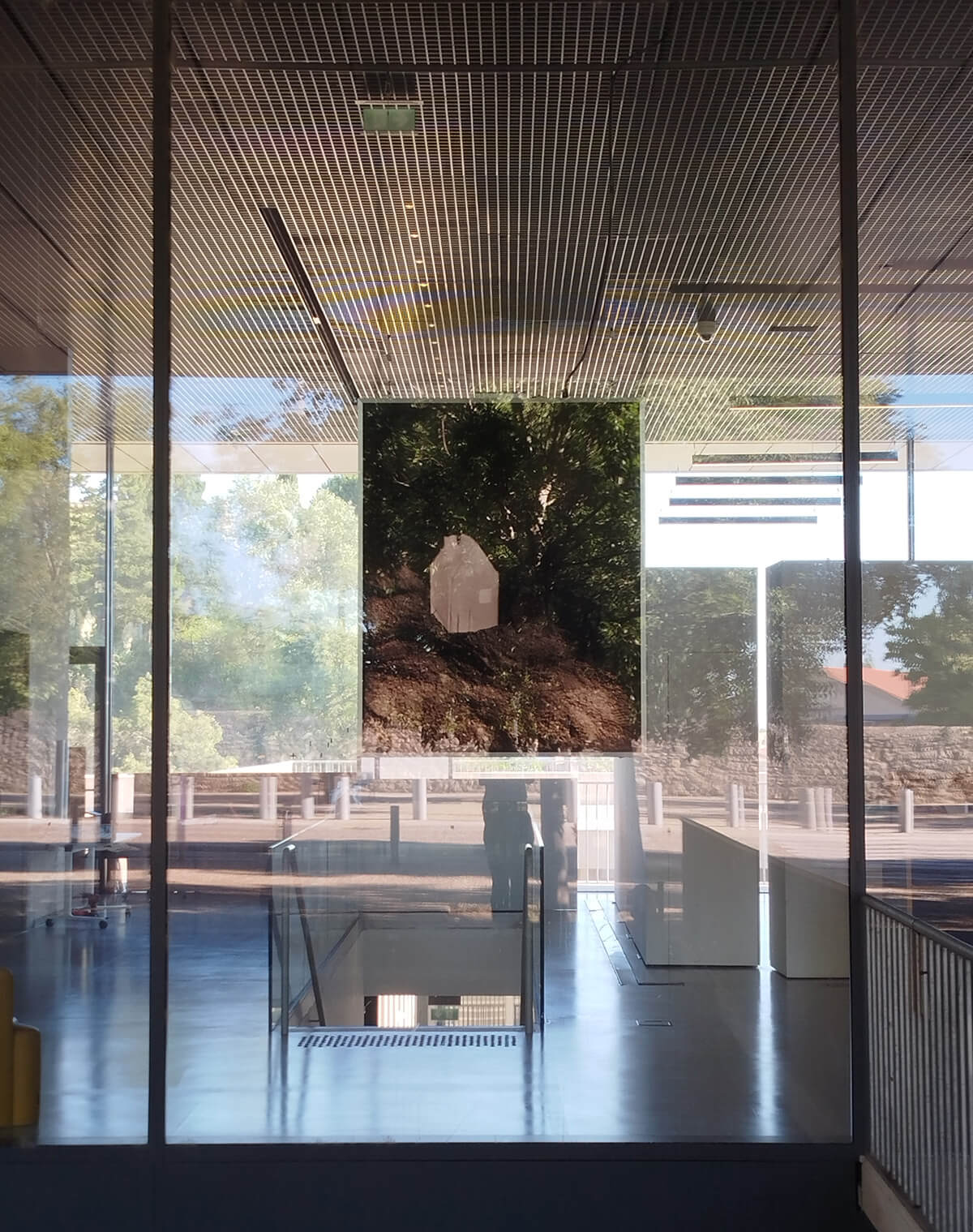
Juliette Seguin